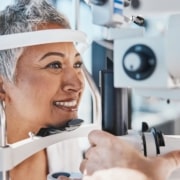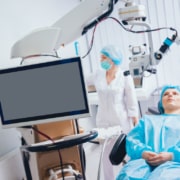
Patient and doctor getting ready for a laser eye procedure to enhance vision.

What Makes Allegretto Wave® LASIK Different From Standard LASIK?

LASIK has evolved significantly over the years, and newer laser platforms can make treatment more customized to the individual eye. Allegretto Wave® LASIK is one example, using advanced wavefront-guided technology to refine how the cornea is reshaped and how vision is corrected.

Jeffrey Maehara, MD, has a long history of adopting advanced eye care technology in Hawaii, including several first-in-state procedures and lens technologies. That focus on newer treatment options is especially relevant for patients comparing Allegretto Wave® LASIK with more traditional LASIK approaches.

How Does Allegretto Wave® LASIK Work?

Like standard LASIK, Allegretto Wave® LASIK reshapes the cornea so light can focus more accurately on the retina. The difference is in how the laser plans and delivers that correction.

The Allegretto Wave® system uses detailed eye measurements to guide treatment. This allows the laser to account for more than a basic glasses prescription and may help create a more individualized correction pattern.

What Makes It Different From Standard LASIK?

Traditional LASIK can provide excellent vision correction, but newer platforms are designed to make treatment even more precise.

Potential differences with Allegretto Wave® LASIK include:

  • Wavefront-guided treatment planning
  • More customized corneal reshaping
  • Eye-tracking technology during treatment
  • Attention to preserving natural corneal shape
  • Treatment of nearsightedness, farsightedness, and astigmatism

These features support consistent visual outcomes while tailoring treatment more closely to each eye.

Can Allegretto Wave® LASIK Improve Night Vision?

Some patients considering LASIK are concerned about glare, halos, or difficulty seeing at night after surgery. Wavefront-guided technology is designed to address subtle optical imperfections that may influence visual quality.

Results still vary from person to person, and no LASIK system can guarantee freedom from nighttime visual symptoms. Pupil size, prescription strength, corneal shape, tear film quality, and other factors can all influence the final result.

Who May Be a Candidate?

Candidacy depends on much more than age or prescription alone. A comprehensive LASIK evaluation typically considers:

  • Prescription stability
  • Corneal thickness and shape
  • Overall eye health
  • Dry eye symptoms
  • Lifestyle and visual goals

Patients with certain corneal conditions or unstable prescriptions may be better suited for another form of vision correction.

Explore Allegretto Wave® LASIK in Honolulu, HI

Choosing LASIK technology is only one part of planning vision correction. Corneal health, the accuracy of preoperative measurements, and the treatment plan all matter when determining whether Allegretto Wave® LASIK is appropriate. 

Dr. Jeffrey Maehara can evaluate these factors and discuss which LASIK approach may best fit your vision needs. Call 808-955-3937 to schedule a LASIK consultation in Honolulu, HI.

Older woman having her eyes examined to determine how presbyopia might affect her LASIK treatment.

LASIK After 40: What Presbyopia Means for Your Results

LASIK can provide clearer distance vision well into your 40s and beyond, but age-related changes in near vision can affect what you should expect from the procedure. Presbyopia typically becomes noticeable around age 40, when reading small print or focusing on a phone at close range starts getting harder.

Jeffrey Maehara, MD, studied under leading LASIK and refractive surgeons while attending Tulane Medical School and has extensive experience with refractive procedures. For adults considering LASIK in Honolulu, knowing how presbyopia fits into the picture can help set realistic goals before surgery.

What Is Presbyopia?

Presbyopia is a normal change that occurs as the eye’s natural lens becomes less flexible with age. When the lens cannot adjust as easily, focusing on nearby objects becomes more difficult.

Common signs include:

  • Holding reading material farther away
  • Needing brighter light to read
  • Blurry vision at close distances
  • Eye strain during near work
  • Switching between glasses for different distances

Presbyopia is separate from nearsightedness, farsightedness, and astigmatism.

Does LASIK Fix Presbyopia?

Traditional LASIK reshapes the cornea to correct refractive errors such as nearsightedness, farsightedness, and astigmatism. It does not stop the natural aging process that causes presbyopia.

Someone who receives LASIK for excellent distance vision after age 40 may therefore still need reading glasses for close-up tasks. Patients who already notice difficulty reading should discuss this possibility before deciding on treatment.

Can LASIK Reduce the Need for Reading Glasses?

For some patients, monovision LASIK may be an option. This approach typically corrects one eye primarily for distance and leaves the other slightly nearsighted for closer tasks.

Because the brain must adapt to using the eyes differently, monovision is not comfortable for everyone. A temporary contact lens trial may help determine whether this approach feels natural before considering a permanent correction.

Age, prescription, corneal health, daily visual demands, and personal preferences can all influence whether traditional LASIK or monovision may be appropriate.

Planning LASIK After 40 in Honolulu, HI

Turning 40 does not automatically rule out LASIK, but it does make near-vision expectations an important part of treatment planning. A detailed eye evaluation can determine whether your eyes are healthy enough for surgery and how presbyopia may affect your desired correction. 

Dr. Jeffrey Maehara can discuss available options based on each patient’s prescription and visual priorities. Call 808-955-3937 to schedule a LASIK consultation in Honolulu, HI.

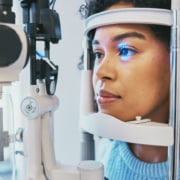
Patient undergoing a slit-lamp eye exam during a PRK recovery follow-up visit.

PRK Recovery Week by Week: What to Expect as Your Vision Clears

PRK recovery usually takes more patience than LASIK because the corneal surface needs time to regrow before eyesight begins to settle. In Honolulu, Hawaii, our team at Maehara Eye Surgery & Laser provides PRK surgery with care led by Jeffrey Maehara, MD, a board-certified ophthalmologist and fellowship-trained Anterior Segment-Glaucoma Specialist. Your exact pace will depend on how your eyes respond, so postoperative instructions and scheduled visits matter throughout the process.

The First Few Days: Give Your Eyes Time to Rest

PRK removes the cornea’s outer epithelial layer so the laser can reshape the tissue beneath it. As that surface begins repairing itself, you may notice burning, watering, light sensitivity, soreness, or hazy sight.

Plan to rest and arrange for someone else to drive you home. Use prescribed drops exactly as directed, avoid rubbing your eyes, and wait for your ophthalmologist’s approval before driving or returning to demanding activities.

By the End of Week One: Comfort May Start to Improve

As the epithelium regrows, irritation often becomes easier to manage. Clarity may still change from one day to the next, so it is too early to judge the final outcome.

Follow-up examinations allow us to check the corneal surface, review your medications, and let you know when it is appropriate to resume more of your routine. Strenuous exercise or contact sports may need to wait. Patients with physically demanding routines can read more about PRK for active lifestyles.

Weeks Two Through Four: Daily Tasks Often Become Easier

During the next several weeks, many patients begin returning to work, screen use, driving, and everyday responsibilities. Some days may feel clearer than others, and temporary glare, halos, dryness, or visual fluctuations can continue while the cornea settles.

Because PRK does not create a corneal flap, sharp sight tends to return more gradually than it does after LASIK. Our discussion of PRK and LASIK candidacy explains why one procedure may suit certain eyes better than the other. You can also compare this timeline with bladeless LASIK recovery.

One Month and Beyond: Clarity Can Keep Refining

Your eyesight may continue sharpening for several weeks after surgery. Attend each scheduled visit, continue medications only as directed, and protect your eyes according to the guidance you receive.

Healing does not follow the same schedule for everyone. Contact your ophthalmologist promptly if discomfort becomes worse or you notice a sudden change in sight.

Talk With Us About PRK Recovery in Honolulu, Hawaii

Understanding the early days and following weeks can make it easier to plan for work, driving, exercise, and other responsibilities. To discuss PRK with Jeffrey Maehara, MD, contact us at Maehara Eye Surgery & Laser in Honolulu, Hawaii, or call 808-955-3937.

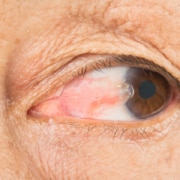
Close-up of an older woman suffering from a pterygium growing in her eye and affecting her vision.

Can Surfer’s Eye Lead to Astigmatism and Prescription Changes?

Surfer’s eye can be easy to dismiss as a surface irritation, but a growing pterygium can sometimes affect more than comfort or appearance. If it begins changing the shape of the cornea, it may contribute to astigmatism, blurry vision, or changes in a glasses or contact lens prescription.

Raised in Honolulu, Jeffrey Maehara, MD, trained at Tulane Medical School and has extensive experience treating corneal and other anterior eye conditions. For patients in Hawaii who spend significant time outdoors, recognizing when a pterygium is beginning to affect vision can help guide the next step in care.

How Can Surfer’s Eye Affect Vision?

A pterygium typically grows from the white part of the eye toward the cornea, which is the clear front surface of the eye. As the growth becomes larger, it can pull on or distort the cornea.

That change in shape may make vision less sharp or make an existing prescription less accurate. Some patients may notice that their vision seems blurry even after updating their glasses or contacts.

Can Surfer’s Eye Cause Astigmatism?

Yes, surfer’s eye can contribute to astigmatism when the growth changes the cornea’s natural curve. Astigmatism occurs when the cornea is shaped unevenly, causing light to focus improperly inside the eye.

Possible vision changes may include:

  • Blurry or distorted vision
  • More frequent prescription changes
  • Difficulty seeing clearly at certain distances
  • Increased glare or visual strain

The amount of astigmatism can vary depending on the pterygium’s size and location.

When Does a Pterygium Need Treatment?

Not every pterygium requires surgery. Smaller growths that don’t affect vision may be monitored, especially if symptoms are limited to occasional redness or irritation.

Treatment may become more appropriate when the growth:

  • Continues moving toward the center of the cornea
  • Causes significant irritation
  • Creates noticeable astigmatism
  • Leads to repeated prescription changes
  • Begins interfering with daily vision

An eye exam can show whether the pterygium is changing the corneal shape enough to affect sight.

How Is Surfer’s Eye Treated?

Early management may include lubricating eye drops or other measures to reduce irritation. If a pterygium becomes large or begins affecting vision, doctors may recommend surgical removal.

The goal is to remove the abnormal tissue while preserving a smooth, clear corneal surface. Treatment recommendations depend on the size of the growth, symptoms, vision changes, and overall eye health.

Get Surfer’s Eye Evaluated in Honolulu, HI

Surfer’s eye can be more than a cosmetic concern when it changes the shape of the cornea or affects vision. Dr. Jeffrey Maehara can evaluate whether a pterygium is contributing to astigmatism or prescription changes and discuss appropriate treatment options. 

To have surfer’s eye evaluated in Honolulu, HI, call 808-955-3937 to schedule a consultation.

Woman sitting up in bed and rubbing at her eyes, dealing with blurry vision after waking up.

Why Is My Vision Blurry in the Morning? Understanding Fuchs’ Dystrophy

Blurry vision in the morning can be frustrating, especially when it seems to improve as the day goes on. One possible cause is Fuchs’ Dystrophy, a condition that affects the cornea and can make vision look hazy or foggy after waking.

Jeffrey Maehara, MD, is a fellowship-trained Anterior Segment-Glaucoma Specialist in Honolulu with extensive experience treating corneal and other complex eye conditions. When morning blurry vision becomes frequent or starts interfering with daily activities, an eye exam can help determine whether Fuchs’ Dystrophy or another issue is responsible.

What Is Fuchs’ Dystrophy?

Fuchs’ Dystrophy affects the inner layer of the cornea, the clear surface at the front of the eye. Healthy cells in this layer help remove extra fluid from the cornea and keep it clear. When fluid is not cleared from the cornea effectively, swelling can develop and make vision seem cloudy or out of focus.

Fuchs’ Dystrophy often develops slowly, which means symptoms may be mild at first and become more noticeable over time.

Why Is Vision Worse in the Morning?

Morning blurry vision is a common symptom because the eyes are closed for several hours during sleep. With less evaporation occurring overnight, more fluid can collect in the cornea.

After the eyes are open for a while, some of that moisture may evaporate, allowing the cornea to become clearer and vision to improve.

As Fuchs’ Dystrophy progresses, however, blurry vision may last longer into the day or become more constant.

What Other Symptoms Can Fuchs’ Dystrophy Cause?

Symptoms can vary depending on how advanced the condition has become. In addition to morning blur, patients may experience:

  • Glare or halos around lights
  • Increased sensitivity to bright light
  • Hazy or cloudy vision
  • Reduced contrast or difficulty seeing details
  • Eye discomfort in more advanced cases

These symptoms can overlap with cataracts, dry eye, and other eye conditions, so an accurate diagnosis is important.

How Is Fuchs’ Dystrophy Treated?

Treatment depends on the severity of corneal swelling and how much vision is affected. Mild cases may be managed with medications or other measures that help reduce excess corneal fluid.

More advanced cases may require a corneal procedure or transplant to replace damaged cells and restore clearer vision. The right treatment plan depends on corneal health, symptoms, and how much the condition affects everyday activities.

Get Morning Blurry Vision Checked in Honolulu, HI

Don’t ignore morning blurry vision if it happens regularly or lasts longer throughout the day. Dr. Jeffrey Maehara can examine the cornea and determine whether Fuchs’ Dystrophy or another eye condition may be affecting vision. 

To discuss persistent blurry vision in Honolulu, HI, call 808-955-3937 to schedule a consultation.

Close up of a woman's eyes looking to the side after improving her vision using bladeless LASIK.

How Long Does It Take to Recover From Bladeless LASIK?

Bladeless LASIK is a popular option for individuals in Honolulu, HI, seeking clearer vision without the need for glasses or contacts. Recovery time and the healing process are important considerations when exploring lasik treatment. 

Dr. Dennis Maehara founded Maehara Eye Clinic over 30 years ago, establishing a trusted foundation in eye care. Dr. Jeffrey Maehara is board-certified by the American Academy of Ophthalmology and fellowship-trained in anterior segment and glaucoma care. A clear recovery timeline helps patients prepare for each stage of lasik recovery and make informed decisions.

What Is Bladeless LASIK?

Bladeless LASIK involves using a femtosecond laser to prepare the cornea, offering a blade-free approach to vision correction. This approach improves precision and enhances safety, making it an appealing choice for those focused on protecting their eye health.

How Long Does LASIK Recovery Take?

Recovery from bladeless LASIK is typically quicker than with many other surgical procedures. Most patients notice improved vision within 24 to 48 hours. However, full lasik recovery can take several weeks as the eyes continue to heal and stabilize.

Here is a general timeline:

  • First 24 hours: Mild discomfort, light sensitivity, and blurry vision may occur
  • 2 to 3 days: Vision becomes clearer, and most normal activities can resume
  • 1 to 2 weeks: Continued improvement with fewer side effects
  • 1 to 3 months: Vision fully stabilizes for most patients

Following post-procedure instructions is key to ensuring a smooth recovery.

What Factors Affect Recovery Time?

Lasik recovery can vary based on several factors. Individual healing response plays a role, as some eyes recover faster than others. The level of vision correction needed may also affect how quickly vision stabilizes.

Consistent aftercare is important for recovery, and existing issues like dry eye may impact comfort during healing. In Honolulu, sun exposure and dry air may also influence recovery, making protective eyewear and prescribed eye drops especially important.

Tips For A Smooth LASIK Recovery

Taking the right steps after surgery can help reduce discomfort and speed up healing:

  • Avoid rubbing the eyes
  • Use prescribed medications and eye drops as directed
  • Limit screen time during the first few days
  • Wear sunglasses outdoors to protect from UV exposure
  • Attend all follow-up appointments

These simple precautions support proper healing and long-term results.

When To See An Ophthalmologist

An ophthalmologist can evaluate eye health, confirm candidacy, and explain what to expect during lasik recovery.

It may be time to schedule a visit if:

  • Vision changes are affecting daily life
  • Glasses or contacts feel inconvenient
  • There are questions about safety or recovery

Begin LASIK Treatment In Honolulu, HI

Clear vision starts with the right guidance. Maehara Eye Surgery and Laser offers personalized consultations to help patients explore safe and effective options.

Call 808-955-3937 to schedule an appointment and take the next step toward better vision in Honolulu, HI.

Patient in an eye surgery operating room being prepared for their PRK vision correction procedure.

Why Some Patients Are Better Candidates For PRK Than LASIK

If you have been researching laser vision correction, LASIK is often the first option that comes up. While LASIK is widely performed and effective, it is not the right choice for every set of eyes, and many patients are surprised to learn that PRK may be the better option based on eye health, lifestyle, or long-term safety considerations.

At Maehara Eye Surgery & Laser, advanced care is led by Dr. Jeffrey Maehara, a board-certified ophthalmologist and fellowship-trained anterior segment and glaucoma specialist who also practices preventive and integrative medicine. Knowing whether PRK or LASIK is the better fit starts with recognizing how the procedures differ and why certain patients are better suited for PRK.

PRK Vs LASIK: What Actually Makes Them Different

PRK and LASIK both use advanced laser technology to reshape the cornea and correct vision. The key difference is how the eye is prepared before the laser is applied. LASIK involves creating a thin flap in the cornea, while PRK gently removes the surface layer of the cornea and allows it to heal naturally afterward.

Because PRK does not rely on a corneal flap, it can be a safer and more flexible option for certain patients.

Why PRK May Be The Better Option For Some Eyes

PRK candidates are often people who have been told they are not ideal LASIK candidates or who want a procedure that better fits their lifestyle. PRK is commonly recommended for patients who have:

  • Thinner corneas that make flap creation less safe
  • Mild to moderate dry eye symptoms
  • Active or physically demanding lifestyles
  • Jobs or hobbies with a higher risk of eye impact
  • Unique corneal surface characteristics

For patients in Honolulu, where surfing, swimming, hiking, and outdoor activities are part of everyday life, PRK can provide added confidence and long-term stability.

Recovery Expectations Without The Stress

One of the biggest concerns patients have when comparing PRK vs LASIK is recovery time. PRK does require a longer initial healing period, with vision sharpening gradually rather than immediately. While that sounds intimidating, most patients find the process very manageable with proper care and realistic expectations.

Modern techniques and medications have made PRK recovery far more comfortable than many people expect, and the long-term results are just as clear and reliable as LASIK.

Long-Term Results That Stand The Test Of Time

Because PRK does not require a corneal flap, it has a strong history of safety and avoids flap-related risks in the future. This makes PRK especially appealing for patients who value durability and long-term eye health.

For many PRK candidates, the tradeoff of a slower recovery is balanced by peace of mind and lasting results.

Vision Correction in Honolulu, HI

Choosing between PRK and LASIK does not have to feel complicated. If you are exploring PRK candidates in Honolulu, scheduling a consultation with Maehara Eye Surgery & Laser is the next step toward clearer, more comfortable vision. Call 808-955-3937 to get started.

Point-of-view of someone driving at night and struggling with glare and blurry vision, in need of cataract surgery

Can Cataract Surgery Reduce Glare, Halos, and Night Vision Problems?

Glare from oncoming headlights, halos around streetlights, and worsening night vision can be more than an annoyance. These symptoms are often linked to cataracts and deserve prompt attention, especially when night driving starts to feel stressful or unsafe.

At Maehara Eye Surgery and Laser in Honolulu, care is led by Dr. Jeffrey Maehara. He is board-certified by the American Academy of Ophthalmology and fellowship-trained as an Anterior Segment Glaucoma Specialist, with additional training in preventive and integrative medicine. The clinic was founded over 30 years ago by Dr. Dennis Maehara, and that long history of focused eye care continues today.

When cataracts are contributing to glare and halos, cataracts surgery can be an effective option to improve clarity, contrast, and confidence after dark.

Why Cataracts Can Cause Glare And Halos

A clear lens focuses light into a sharp image. A cloudy lens does not. As cataracts progress, light is more likely to disperse in different directions, especially in low light conditions when pupils enlarge. This is why symptoms often show up first at night.

Common signs linked to cataracts include:

  • Halos around lights
  • Increased sensitivity to glare
  • Reduced contrast and dimmer vision
  • Colors that look faded
  • Frequent changes in glasses prescriptions

How Cataracts Surgery Can Improve Night Vision

Cataracts surgery removes the cloudy natural lens and replaces it with a clear intraocular lens. By removing the source of light scatter, many people notice sharper vision and improved contrast, which can make night driving more comfortable. One key goal is to help reduce the visual noise that makes headlights and streetlights seem overwhelming.

A consultation can help confirm whether cataracts are the main cause of symptoms or whether another issue is contributing, such as dry eye, corneal changes, or pupil-related effects.

Lens Options And Nighttime Comfort

Not all lens choices are the same. Some intraocular lenses are designed to prioritize distance clarity, while others aim to reduce dependence on glasses at multiple ranges. Lifestyle matters, especially for those who drive frequently at night in Honolulu.

A pre-surgery discussion may cover:

  • Night driving habits and visual priorities
  • Existing astigmatism and whether it should be corrected
  • The best balance of clarity, range of vision, and visual side effects

Cataract Symptoms And Treatment Options In Honolulu, HI

If glare, halos, or night vision problems are interfering with daily life, a cataract evaluation can help pinpoint the cause and outline next steps. Schedule a consultation with Maehara Eye Surgery and Laser in Honolulu, Hawaii, to discuss cataracts, the possibility of cataract surgery, and lens options that fit your nightly routine and visual goals. 

Call 808-955-3937 to book an appointment and get back to feeling confident behind the wheel after dark.

Two women surfing and diving beneath the waves, in danger of getting Surfer's Eye or Pterygium.

What Causes Pterygium (“Surfer’s Eye”) And How To Prevent It

Living in Honolulu means enjoying year-round sunshine, ocean breezes, and outdoor living—but these same elements can put your eyes at risk. One common condition in Hawaii’s coastal climate is Surfer’s Eye, medically known as pterygium, a growth on the eye’s surface that can lead to discomfort, redness, and vision changes. 

Dr. Jeffrey Maehara, a board-certified ophthalmologist and fellowship-trained anterior segment-glaucoma specialist, offers advanced treatment options rooted in over 30 years of family-led eye care. He is also trained in regenerative and preventive medicine, combining clinical expertise with whole-body wellness. Whether you surf daily or simply enjoy time outdoors, knowing what causes Surfer’s Eye and how to prevent it can help preserve your vision and overall eye health.

What Is Surfer’s Eye?

Surfer’s Eye, or pterygium, is a non-cancerous tissue growth that starts on the white of the eye and may extend toward the cornea. Though it might remain small, in some cases it can enlarge enough to cause vision issues or become cosmetically noticeable.

The condition is especially common among people regularly exposed to sun, wind, and saltwater—making it prevalent in coastal areas like Honolulu.

Common Causes Of Pterygium

Pterygium often develops due to long-term exposure to environmental irritants. Common contributing factors include:

  • Ultraviolet (UV) light from the sun
  • Windy, dusty conditions
  • Dry air and irritation from saltwater
  • Lack of protective eyewear outdoors

These factors trigger changes in the eye’s surface tissue, leading to the gradual development of the growth.

Signs And Symptoms

Symptoms of Surfer’s Eye can vary depending on the severity of the growth. While some people may not notice it early on, others experience:

  • Redness or a bloodshot appearance
  • Irritation or a gritty feeling
  • Blurred or obstructed vision if the growth reaches the cornea
  • A raised, pinkish tissue visible on the white of the eye

Persistent discomfort or changes in vision should be evaluated by an eye care provider.

How To Prevent Surfer’s Eye

Preventive habits can help reduce the risk of developing pterygium, particularly for those spending time outdoors. Tips include:

  • Wearing UV-blocking sunglasses, ideally wraparound styles
  • Using wide-brimmed hats to shield eyes from direct sunlight
  • Applying artificial tears to avoid dryness
  • Limiting sun exposure during midday hours
  • Washing out eyes after swimming in the ocean

Consistency with these measures can help preserve both the health and appearance of your eyes.

Advanced Surfer’s Eye Care In Honolulu, HI

If you’re dealing with eye irritation, visible growth, or vision changes caused by Surfer’s Eye, relief is within reach. Mild cases can often be managed with prescription eye drops, while more advanced cases may require surgical treatment to improve both vision and appearance.

At Maehara Eye Surgery & Laser in Honolulu, expert care is just a call away. Schedule a consultation today by calling 808-955-3937 to explore your best options for lasting relief and clearer, more comfortable eyes.

Close up of an older patient's eye with the fogginess of glaucoma starting to take over.

Eye Pressure And Vision: The Role Of Glaucoma Testing

Glaucoma is one of the leading causes of vision loss worldwide, often developing slowly and without noticeable symptoms in its early stages. At Maehara Eye Surgery & Laser, eye health expertise runs deep. 

The clinic was founded over 30 years ago by Dr. Dennis Maehara and is now led by his son, Dr. Jeffrey Maehara, a board-certified ophthalmologist and fellowship-trained Anterior Segment–Glaucoma Specialist. Dr. Maehara also practices preventive and integrative medicine, combining advanced eye care with a whole-person approach to wellness. 

Regular glaucoma testing can detect changes early, giving patients the best opportunity to preserve their vision and maintain lifelong eye health.

What Is Glaucoma?

Glaucoma is a serious eye disease that affects the optic nerve, most often as a result of elevated pressure within the eye. This increase in intraocular pressure occurs when the eye’s natural drainage system becomes blocked or slows down, allowing fluid to accumulate. Without proper treatment, increased pressure can harm the optic nerve and result in lasting vision damage. Although glaucoma can develop in anyone, it is more frequently seen in adults over 40, individuals with a family history of the condition, and those managing health concerns such as diabetes.

How Eye Pressure Affects Vision

Eye pressure plays a key role in maintaining the shape and function of the eye. However, when that pressure rises above a healthy range, it can begin to compress the optic nerve. This gradual pressure damages the nerve fibers that transmit visual information to the brain.

Even those with normal eye pressure can develop glaucoma, so consistent monitoring through professional testing is essential.

What To Expect During Glaucoma Testing

Glaucoma testing is a painless and quick process that helps identify early signs of the disease before symptoms appear. Common parts of the exam include:

  • Tonometry: Measures the pressure inside the eye.
  • Visual field testing: Detects changes in peripheral (side) vision.
  • Optic nerve imaging: Uses advanced technology to look for early nerve damage.
  • Pachymetry: Measures corneal thickness, which can affect pressure readings.

These tests help eye care professionals assess risk, detect glaucoma early, and determine the most effective treatment plan.

How Often Should You Be Getting Glaucoma Testing?

The frequency of glaucoma testing depends on factors such as age, family history, and overall eye health. Most adults should have a comprehensive eye exam every one to two years, but those at higher risk, including individuals over 40, people with diabetes, or anyone with a family history of glaucoma, may need more frequent testing.

Prioritize Your Vision With Local Eye Exams In Honolulu, HI

Regular vision screenings are an important step in safeguarding eye health. Regular glaucoma testing helps detect problems early so treatment can begin before vision loss occurs. 

To protect your eyesight for the future, schedule your glaucoma testing appointment in Honolulu today by calling 808-955-3937. Your vision deserves the care and attention that only consistent, professional eye exams can provide.